-
Teaching boundary setting and repair conversations
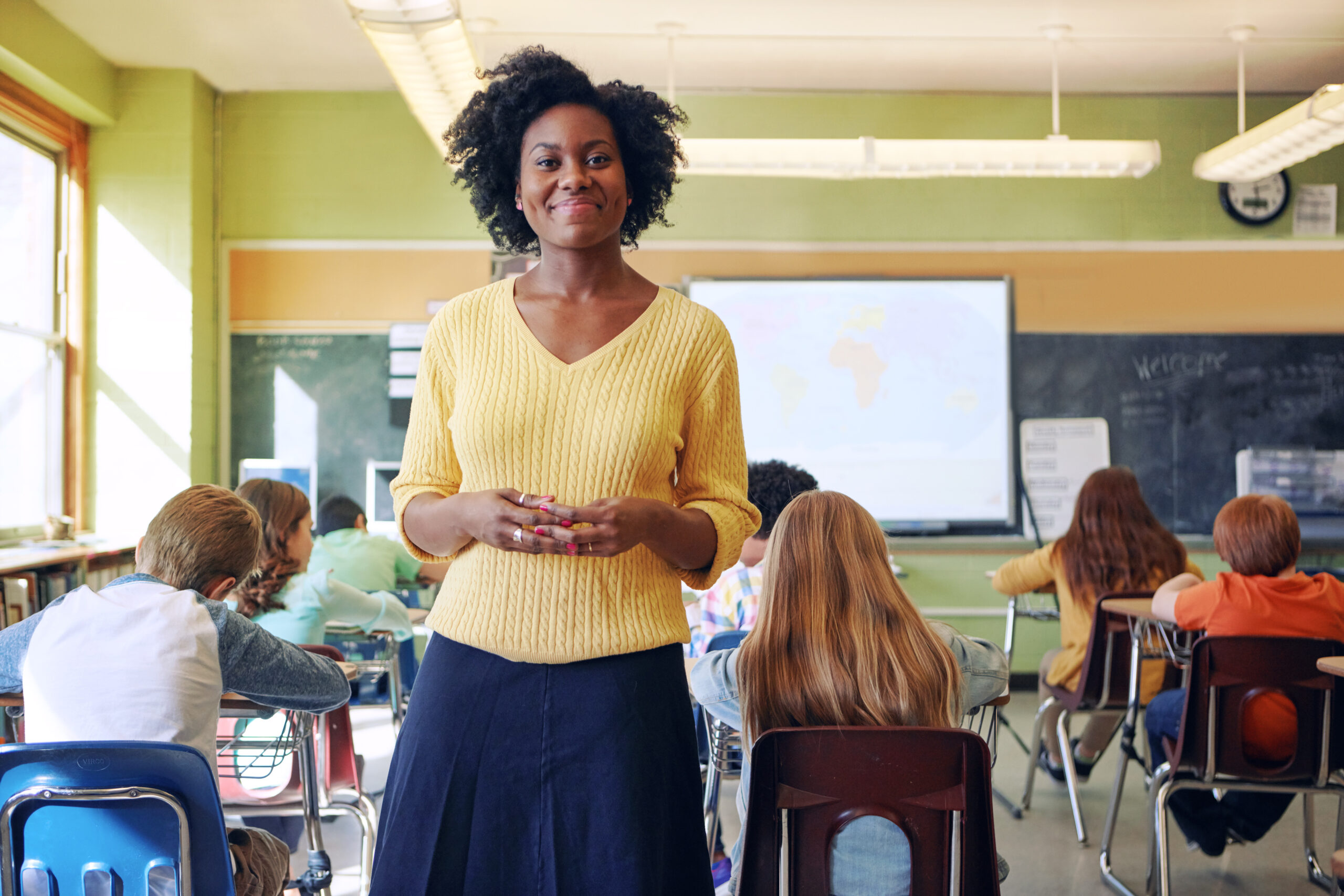
As educators, we teach so much more than algebra and spelling to our students. Crucial life skills, such as self-regulation, repairing harm, and setting healthy boundaries to prevent harm, are just a few of the life lessons we can provide for our students. Teaching the importance of boundaries, how to communicate your needs, and how…
-
Campbell Hill Classified Staff use Data and SEL Strategies to Help with Transitions and Recess
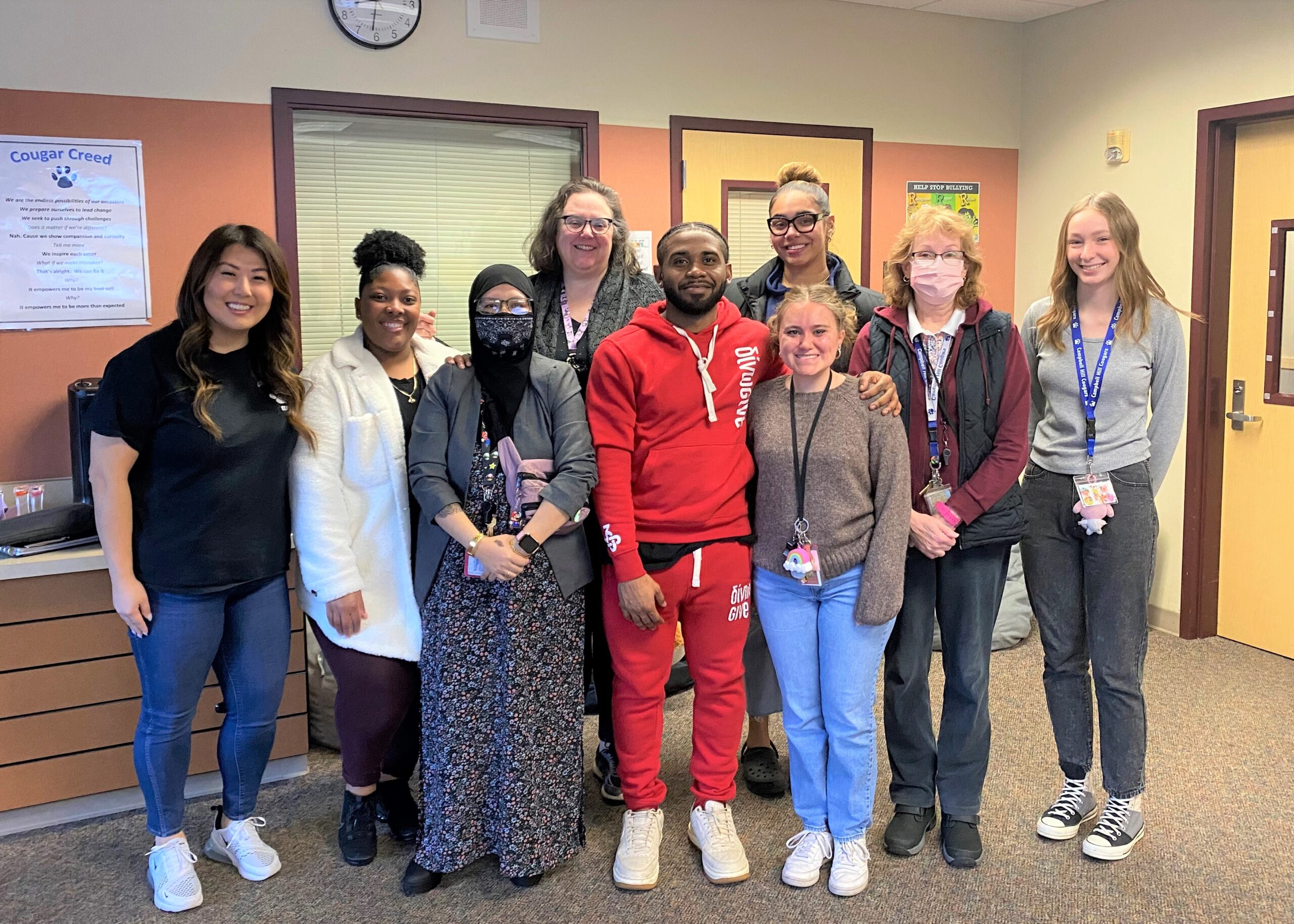
The classified staff of Campbell Hill Elementary, in Renton, WA, works hard every day to be sure that students know they are safe, belong, and matter in the unstructured spaces like the school playground and cafeteria. This team of educators meet monthly to align their practice, continue their learning about social emotional learning and trauma-responsive…
-
Ideas for Teaching Self-Advocacy and Contribution in the Classroom
We believe fighting anti-blackness and speaking out against oppression of all forms deeply matters to the health of our communities and classrooms. As educators, we can create opportunities for young people to reflect on injustices, advocate for themselves, and contribute to their community for a more just world. Meaningful contributions not only help our community,…
-
Celebrating Black History Month with Teague Parker
Teague Parker, Facilitator Why are you an educator/do you work in education? Being a theatre artist brought me to the world of education! I would lead improv workshops every week through college, TA acting & playwriting classes, and soak up all the ways you could pass information. It felt to me that arts…
-
Celebrating Black History Month with Sylvia Hadnot
Sylvia Hadnot, Facilitator and Social Media Coordinator Why are you an educator/do you work in education? I’ve wanted to be a teacher since I was 5 years old. Looking back, I realize that my teachers were some of my first nurturers. I loved their love and the way it made me feel! As…
-
Self-Regulation for Educators, Co-Regulation for Students
The negative impact that COVID-19 had on our nervous systems, both as educators and students, is palpable. National data such as this report from the National Center for Education Statistics and lived experiences of educators show the pandemic has negatively impacted student behavior and social-emotional development, and teacher burnout and turnover is at an all-time…
-
Support for Trans and Non-binary Students Creates Equitable and Inclusive Learning Communities for All – Four Things Educators Can Do
All young people deserve and require acceptance and support from their communities to learn and thrive. Prioritizing building inclusive classrooms for all students, regardless of their identity, can quite literally save lives. According to Child Trends, a recent study published in the Journal of Adolescent Health demonstrates the power of affirming transgender youth’s identities: For…
-
Youth Inspire Educators to Share Power and Create Equitable Learning Environments
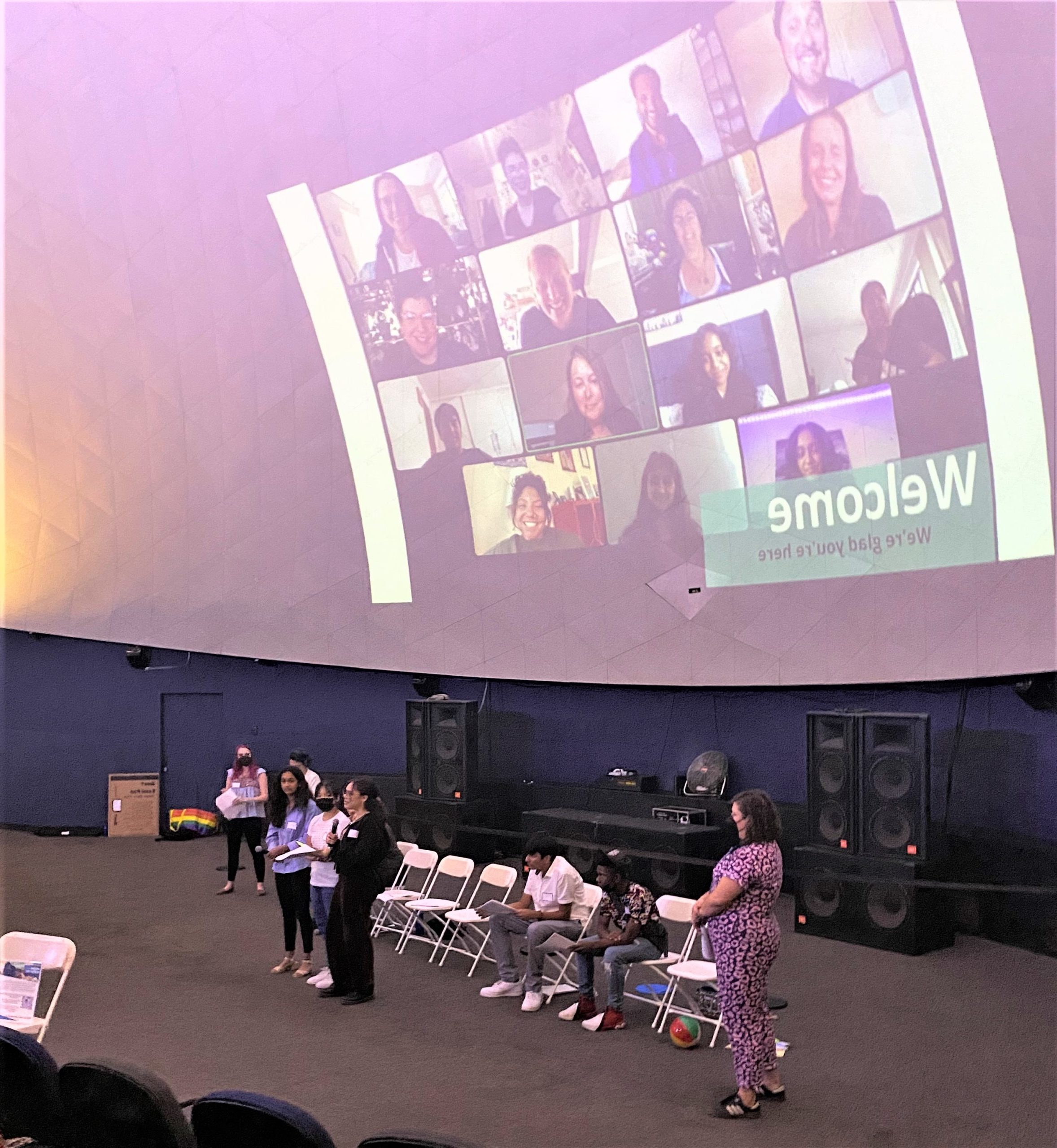
On October 8th a diverse crowd of educators filed into the Laser Dome at Seattle’s Pacific Science Center. However, none of them were there to see a laser show! They had all come to experience an immersive workshop designed and facilitated by youth from Sound Discipline’s DOOL program. DOOL (Designing Our Own Learning) is in its…
-
Five Ways to Encourage Student Voice and Share Power in the Classroom
As educators, we may (often unconsciously) hold on to the power in our classrooms. But we do have the choice to share power with our students. Sharing power and prioritizing student voice strengthens students’ sense of belonging and diffuses power-over dynamics between educators and young people. When we let go of some control, we are…