-
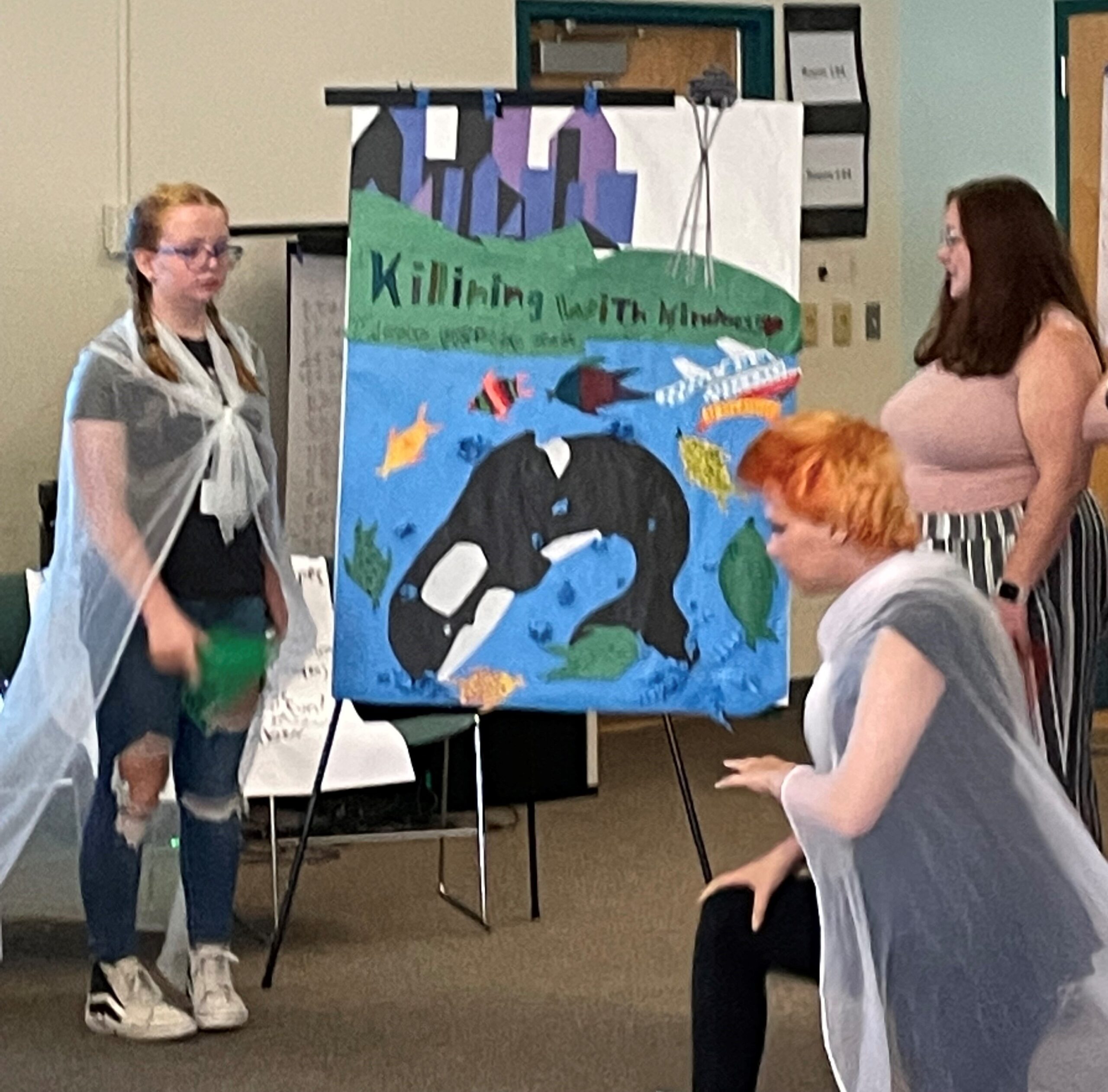
Teaching the Vital Skill of Problem Solving
Read More: Teaching the Vital Skill of Problem SolvingProblem solving is second nature to many educators. For students, it is a vital skill they needs to learn and practice continuously. Sometimes, it feels easier to simply tell kids what to do rather than engage them in the problem-solving process. However, every time we solve a problem for a young person without their input, […]
-
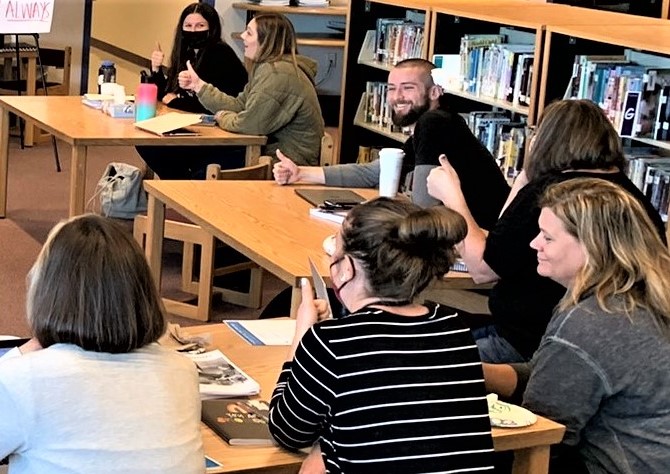
Easy Ways to Appreciate & Celebrate Yourself and Your Coworkers
Read More: Easy Ways to Appreciate & Celebrate Yourself and Your CoworkersIn our opinion, educators have one of the hardest jobs in the country. For educators who have been navigating challenging behaviors all year and still showing up day after day, we see you. For educators that are tired and frustrated, we appreciate you. For the educators that find hope in the small wins with students, […]
-
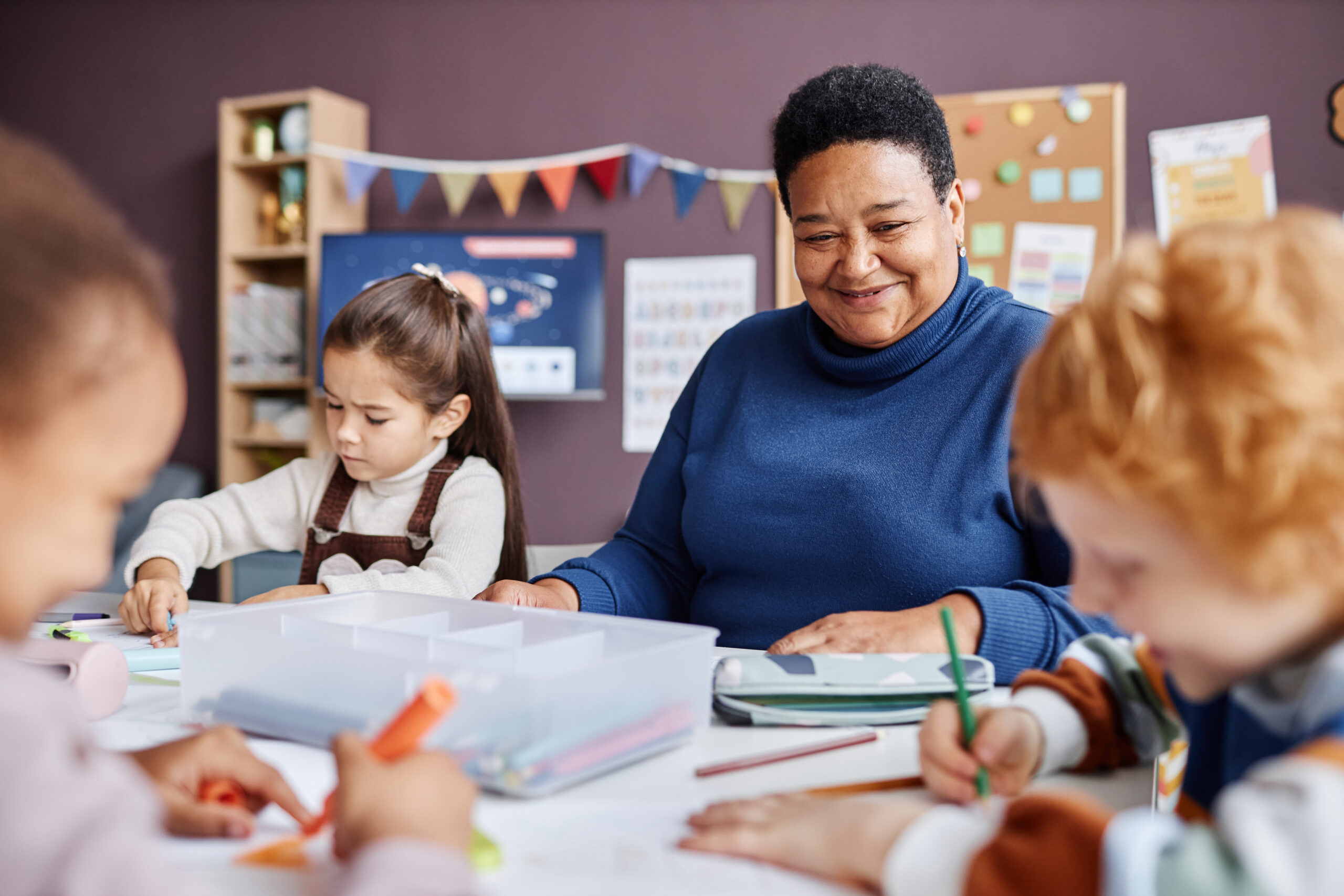
Parents & Families Can Show Appreciation for Educators All Year Long
Read More: Parents & Families Can Show Appreciation for Educators All Year LongWe appreciate educators year-round for all their hard work, and in May, Teacher Appreciation Week gives us a chance to celebrate them and show educators how much we value them! Through COVID-19 scares, virtual teaching, and returning to in-person school, educators have remained nimble and dedicated in serving our students and families. Here are a […]
-

Teaching boundary setting and repair conversations
Read More: Teaching boundary setting and repair conversationsAs educators, we teach so much more than algebra and spelling to our students. Crucial life skills, such as self-regulation, repairing harm, and setting healthy boundaries to prevent harm, are just a few of the life lessons we can provide for our students. Teaching the importance of boundaries, how to communicate your needs, and how […]
-
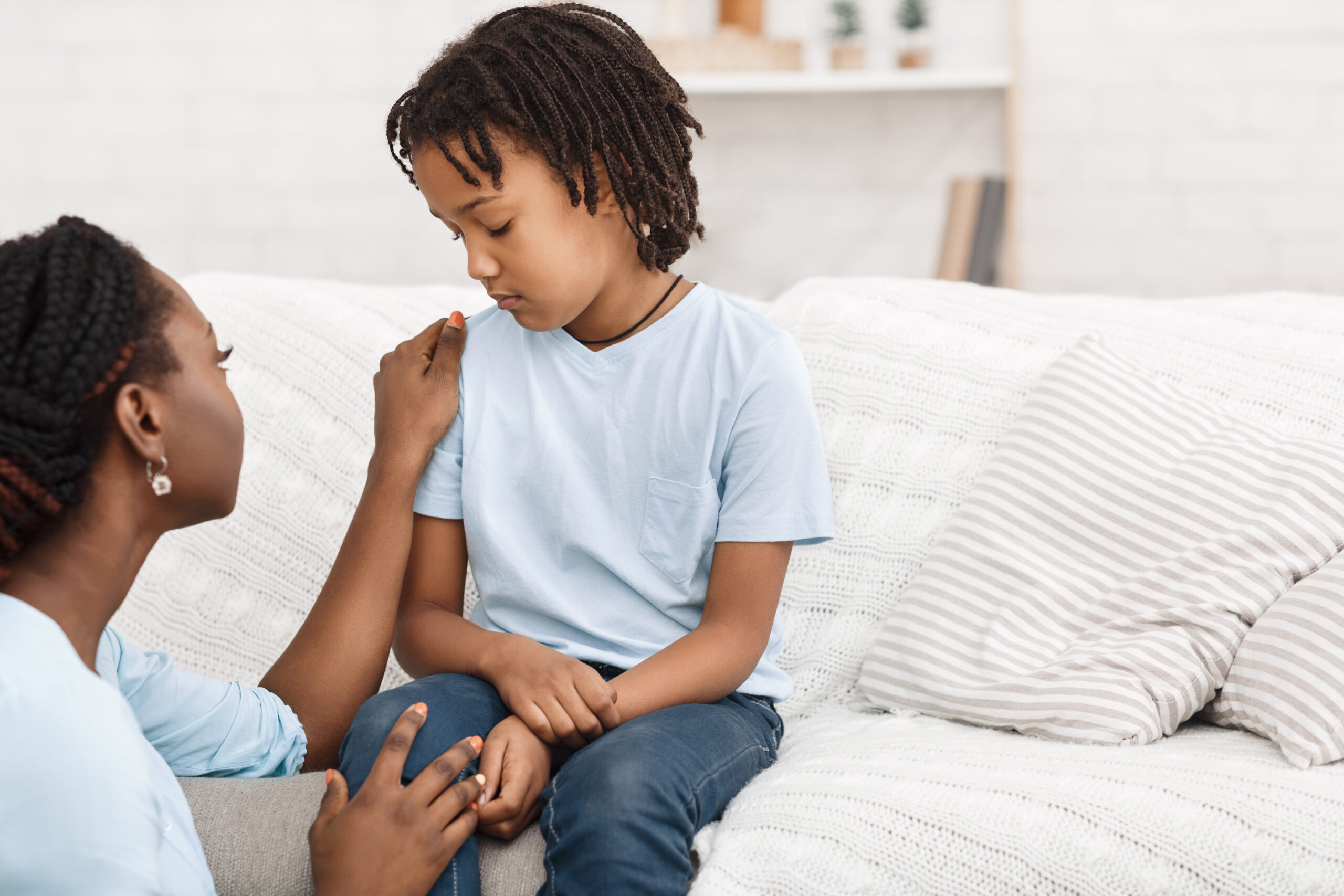
Relationship Tools You Can Use to Repair Mistakes and Maintain Connection with Your Child
Read More: Relationship Tools You Can Use to Repair Mistakes and Maintain Connection with Your ChildConflict is an inevitable part of life, and we often are not taught how to repair harm once it occurs, especially not with our children. It is vital for parents and caregivers to remain in healthy connection with their child after conflict occurs, and to model what an effective repair conversation looks like. This not […]
-
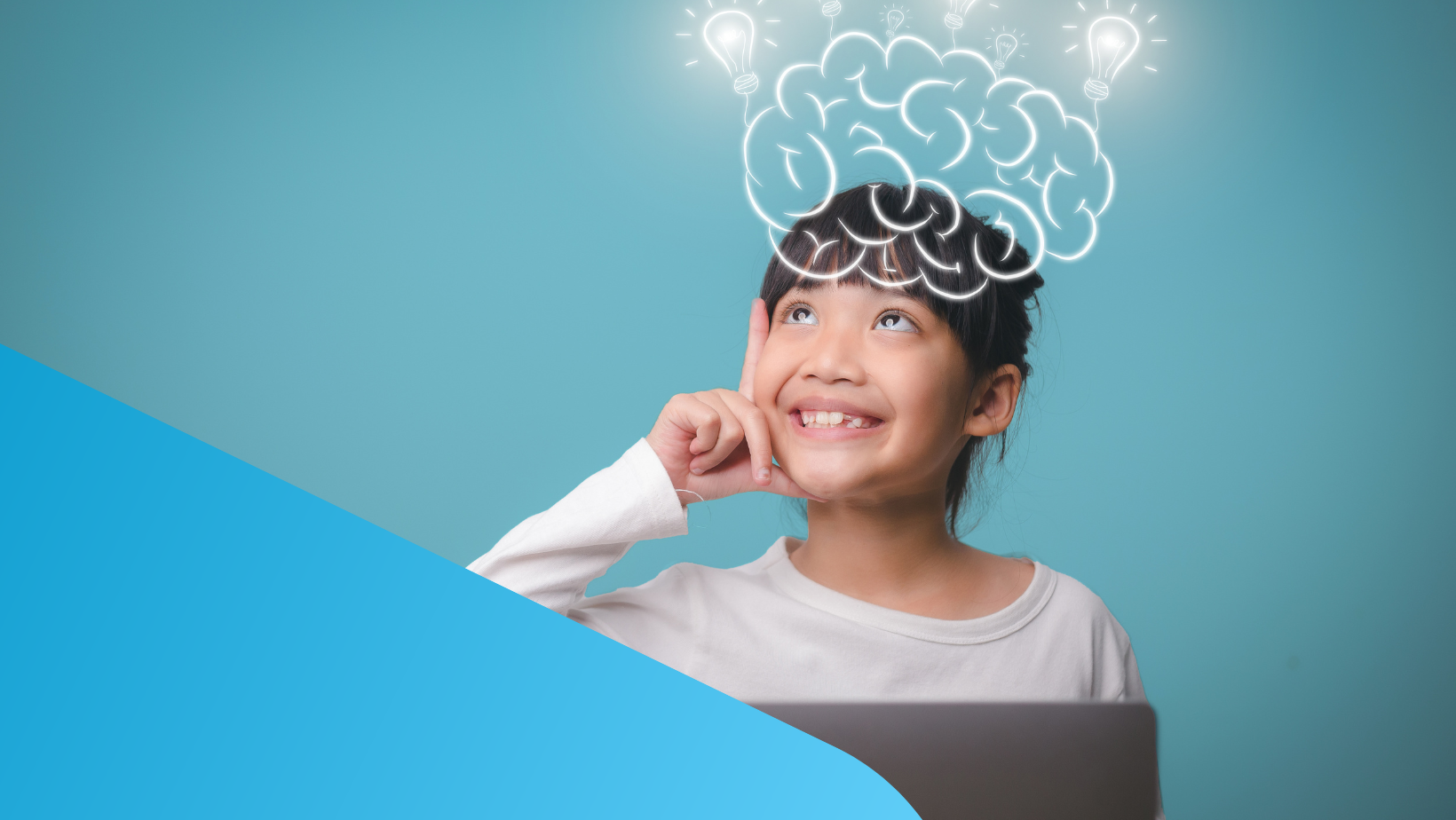
Create an Inclusive Classroom Community by Learning Neurodiversity and Brain Science
Read More: Create an Inclusive Classroom Community by Learning Neurodiversity and Brain ScienceMarch includes both Neurodiversity Celebration Week and Brain Science Awareness Week. Helping students learn about neurodiversity and brain science helps to create an inclusive classroom community while building empathy and self-awareness. Here are a few ways you and your students can explore brain science and neurodiversity. Learn About Neurodiversity According to this Harvard Medical School […]
-
How Learning Brain Science is Helpful for Parents, Caregivers, and Kids
Read More: How Learning Brain Science is Helpful for Parents, Caregivers, and KidsBrain science is not just for neuroscientists! How can it help parents and caregivers? Educating yourself and your kids about brain science helps deepen your understanding of behavior and emotions. Everything—from the way humans learn, to the way we engage with each other, to our capacity for thinking, feeling, learning, and problem-solving — all functions […]
-
Ideas for Teaching Self-Advocacy and Contribution in the Classroom
Read More: Ideas for Teaching Self-Advocacy and Contribution in the ClassroomWe believe fighting anti-blackness and speaking out against oppression of all forms deeply matters to the health of our communities and classrooms. As educators, we can create opportunities for young people to reflect on injustices, advocate for themselves, and contribute to their community for a more just world. Meaningful contributions not only help our community, […]
-
Honor Legacies by Teaching Children to Take Action & Make Contributions
Read More: Honor Legacies by Teaching Children to Take Action & Make ContributionsHonoring Dr. Martin Luther King Jr.’s legacy is deeper than his famous quotes and speeches. This year, we are honoring his legacy through action. King believed that all people should be able to belong and contribute meaningfully within their communities, and that anti-blackness and oppression prohibit community care. In our individualistic world, it’s vital to […]
-
Self-regulation and Co-regulation are the Keys to More Peace and Fewer Power Struggles
Read More: Self-regulation and Co-regulation are the Keys to More Peace and Fewer Power StrugglesImagine you are on your way out the door and your 5-year-old is crying on the floor, your 8-year-old is yelling at them to stop crying, and you’re trying to talk over both of them to get them into the car. If this sounds familiar, keep reading! Almost every parent has experienced some rendition of […]