-
Five Ways to Encourage Student Voice and Share Power in the Classroom
As educators, it’s natural to hold onto some control in our classrooms. And, sharing that power with students opens up so many possibilities. By doing so, we not only strengthen their sense of belonging but also create a more positive and equitable classroom environment. When we allow students more ownership, we open the door to…
-
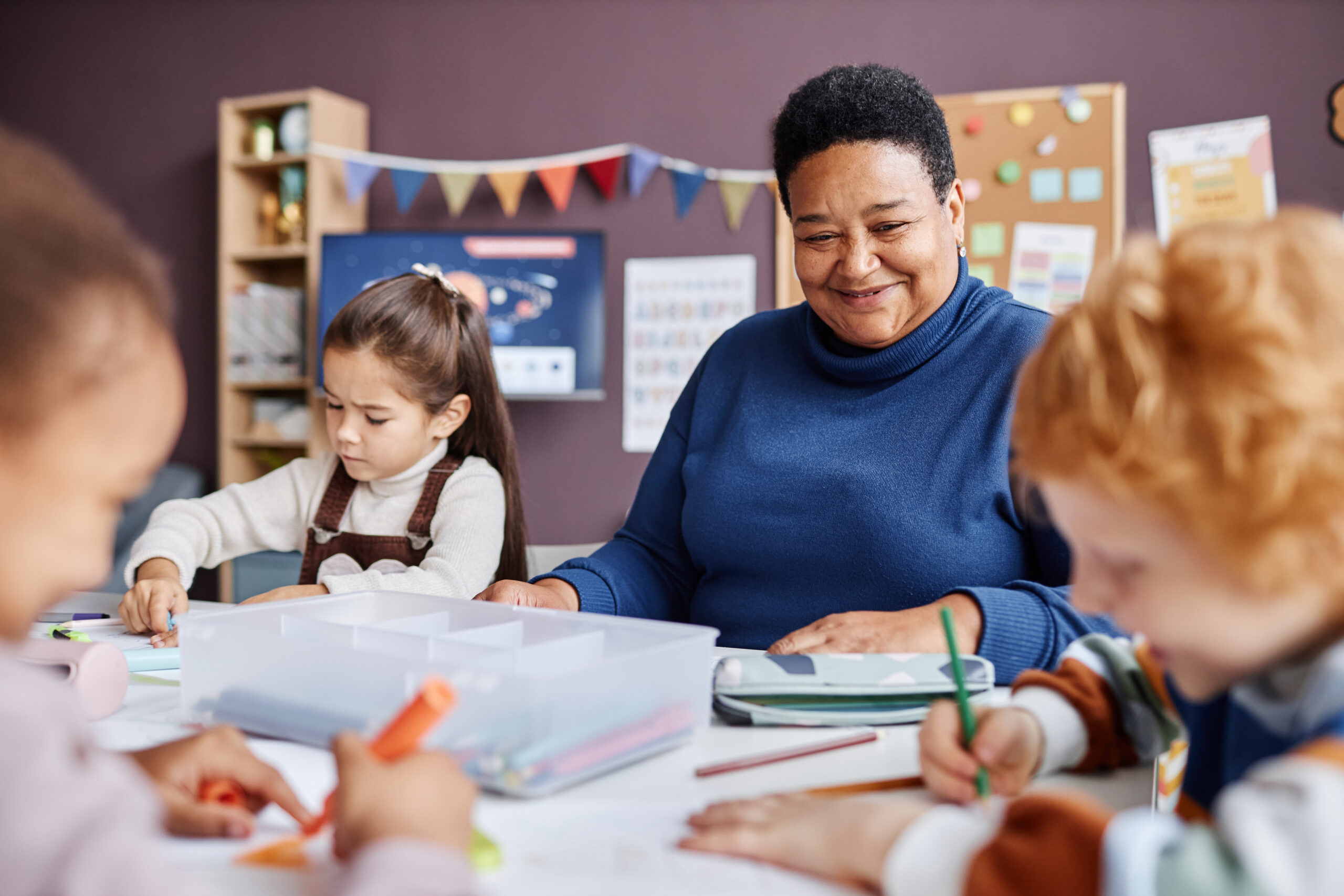
Focus on Routines this New School Year
The transition from summer to the new school year can feel both exciting and challenging. We encourage educators to focus on building routines as students settle back into their classrooms. Establishing clear expectations for routines early on sets the stage for a regulated, connected new school year. Here are some valuable resources and ideas to…
-
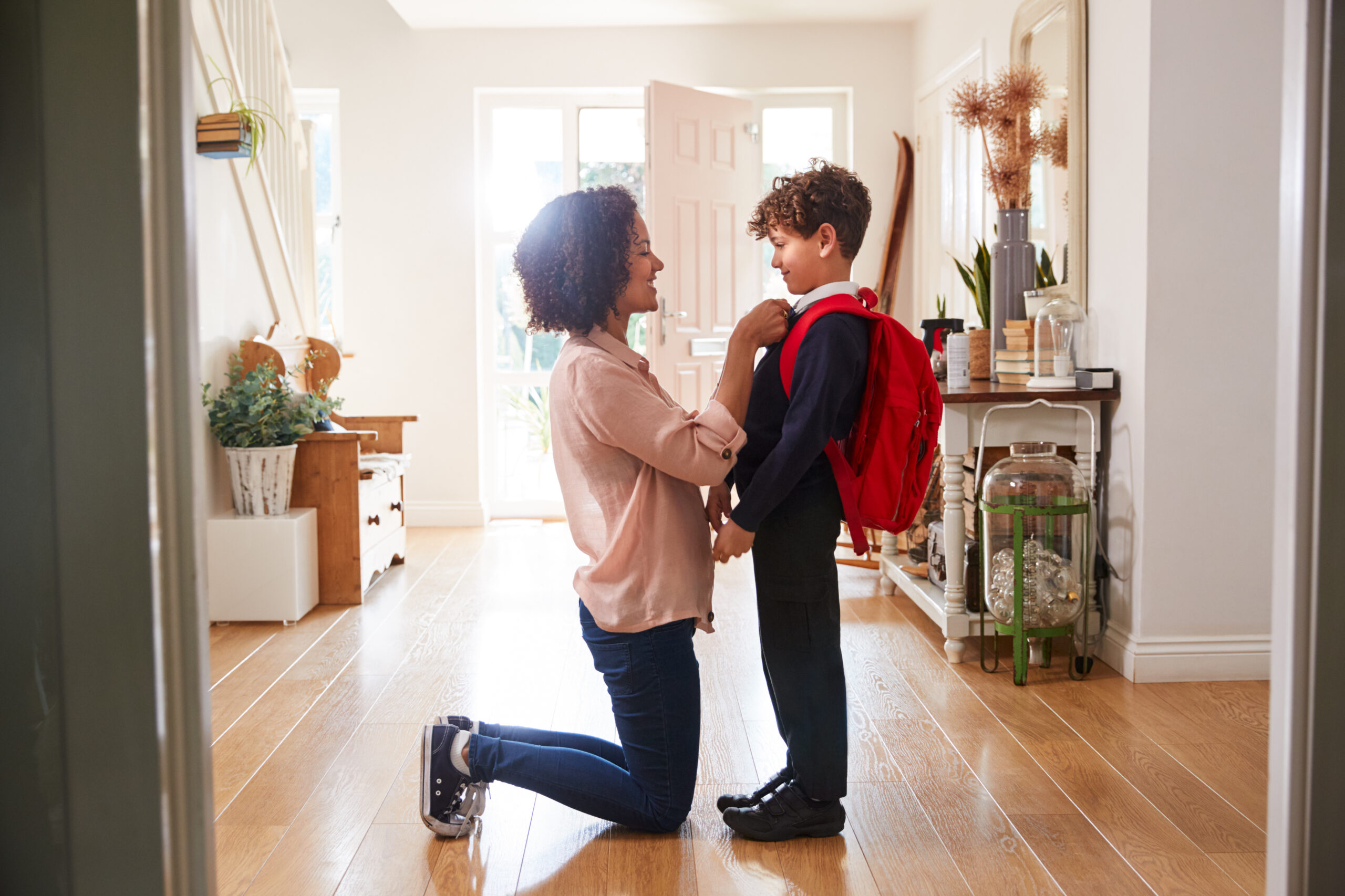
8 Ways to Start the New School Year on a Positive Note
Here in the Pacific Northwest many schools start right after Labor Day. The end of summer always brings a mix of emotions. These can include anticipation, curiosity, and maybe even maybe even a touch of dread. As we transition from summer days to structured school days, here are eight ways to foster connection and establish routines to…
-
Celebrate the End of the School Year with Your Kids
It’s time to celebrate ten months of packing lunches, checking homework, and ensuring your kids get out the door before the school bus or carpool leaves! In our fast-paced culture, it can be easy to forget to commemorate big moments and transitions, such as the transition from the end of the school year to summer…
-

Co-Regulation Supports Parents and Their Children
Have you ever been in a long line at the grocery store with your toddler on the brink of a tantrum? You are not alone. Our society teaches parents that children are meant to obey adults, which leaves parents feeling frustrated when their children are unable to obey due to big emotions. As we learn…
-

Teaching Brain Science Demystifies Emotions and Behaviors
One way to deepen your understanding of behavior and emotions is to learn, and help your students learn, about brain science. When one of your students melts down and it turns into a domino-effect meltdown for multiple other students in your class, it can feel defeating. When we understand the basics of how the brain…
-
How Educators Can Co-Create Equitable Learning Communities
This month, we are highlighting the transformative work of Matthew Reynolds (they/he/we). We met Matthew through our work with schools and districts in Southern Oregon. Since that time, we have had the opportunity to get to know them through their work as an equity consultant with our district partner, the Southern Oregon Education Service District.…
-
Engage Kids in Problem Solving
Family meetings are a powerful tool to build the life skills that we want our children to have. Holding family meetings helps children learn empathy, cooperation, mutual respect, and effective, solution-focused problem solving. The consistent practice of gathering as a family, giving and receiving compliments, and solving problems helps families run more smoothly and builds…
-
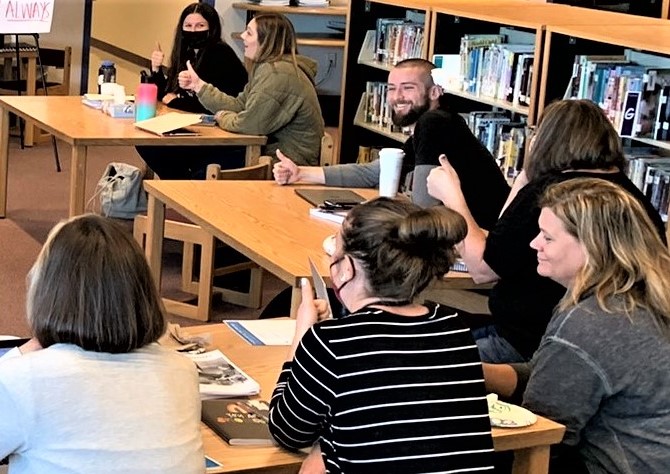
Easy Ways to Appreciate & Celebrate Yourself and Your Coworkers
In our opinion, educators have one of the hardest jobs in the country. For educators who have been navigating challenging behaviors all year and still showing up day after day, we see you. For educators that are tired and frustrated, we appreciate you. For the educators that find hope in the small wins with students,…
-
Parents & Families Can Show Appreciation for Educators All Year Long
We appreciate educators year-round for all their hard work, and in May, Teacher Appreciation Week gives us a chance to celebrate them and show educators how much we value them! Through COVID-19 scares, virtual teaching, and returning to in-person school, educators have remained nimble and dedicated in serving our students and families. Here are a…